
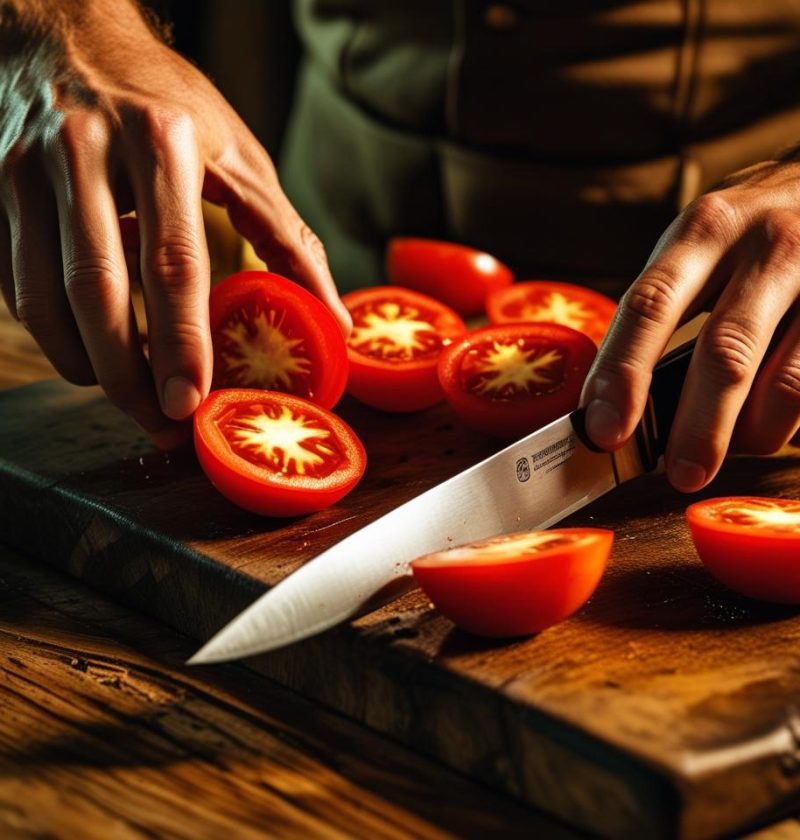
Choose meaty tomatoes: Roma or plum tomatoes are ideal since they have less water and more flesh.
Cook slowly: The slower you reduce the tomatoes, the richer the paste will taste.
Use olive oil: It not only enhances flavor but also acts as a preservative.
Store in small portions: Freeze in ice cube trays so you can use just the amount needed.
Add garlic or herbs (optional): For Italian-style paste, cook with garlic, basil, or oregano.
Tomato Paste vs. Tomato Puree vs. Tomato Sauce
| Type | How It’s Made | Texture | Flavor | Best Used For |
|---|---|---|---|---|
| Tomato Paste | Tomatoes cooked down until thick | Very thick & concentrated | Deep, rich, intense | Curries, pasta sauces, stews, pizza |
| Tomato Puree | Blended, cooked tomatoes | Smooth, pourable | Mild, fresh | Soups, gravies, marinades |
| Tomato Sauce | Tomatoes cooked with herbs, oil, and seasoning | Medium-thick | Savory, spiced | Pasta, pizza, ready-to-serve dishes |
👉 Quick tip:
- Use tomato paste when you want concentrated richness.
- Use tomato puree for a lighter tomato flavor.
- Use tomato sauce when you want a ready-to-use seasoned base.
How to Use Tomato Paste
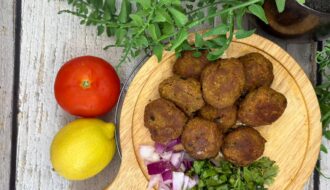
Marinades: Blend with spices and yogurt for flavorful meat or vegetable marinades.
Curries & Gravies: Add while sautéing onion and garlic for depth and color.
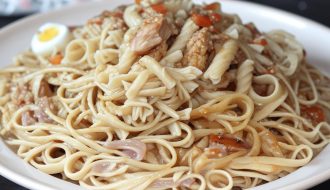
Pasta & Pizza: Use as a base for marinara or pizza sauce.
Soups & Stews: Stir in a spoonful for body and richness.
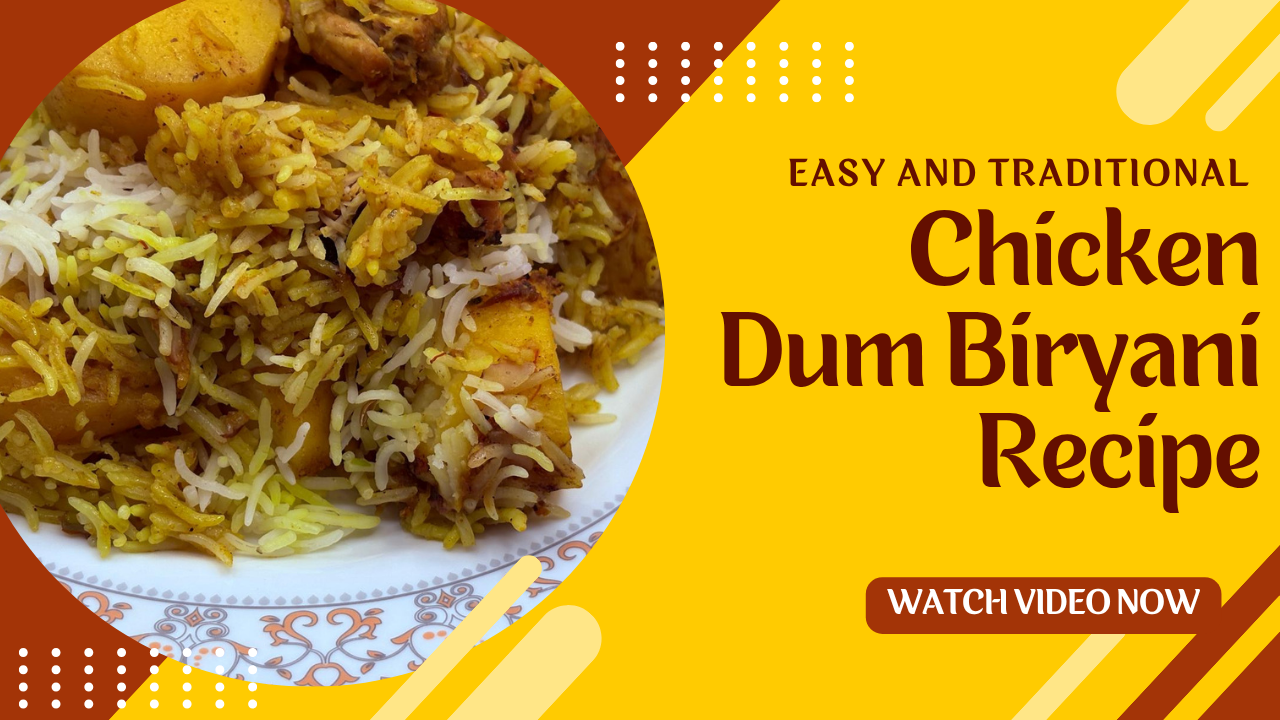
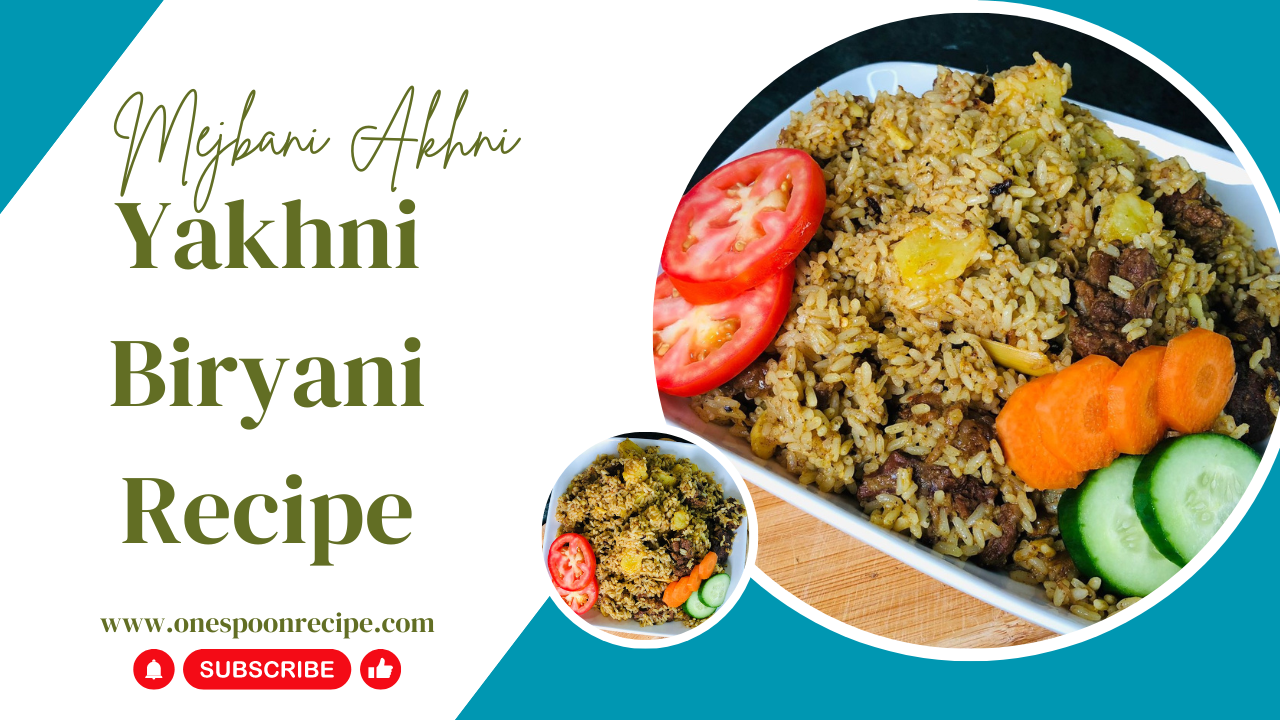
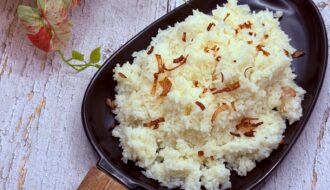
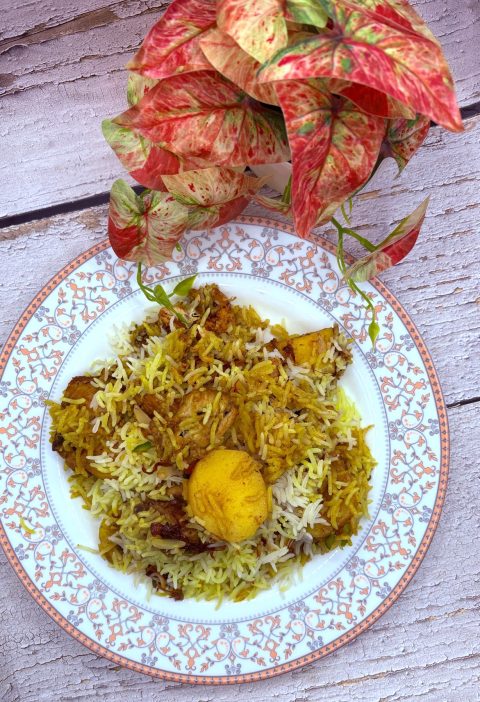
Rice Dishes: Mix into biryani or flavored rice for tang and color.
Homemade tomato paste is a powerhouse ingredient that enhances flavor, color, and richness in countless recipes. By preparing it at home, you can enjoy a fresher and preservative-free version that’s far better than anything from a can.
Whether you’re cooking a hearty curry, a comforting soup, or an Italian pasta dish, a spoonful of tomato paste can transform your cooking.






Comments