Bitter gourd fry, also known as Korola Bhaji, is one of the most loved traditional Bengali dishes. Though many people shy away from bitter gourd due to its strong flavor, this recipe balances the taste beautifully while keeping the dish light, crispy, and packed with nutrients. In this blog, you’ll learn how to make bitter gourd fry without bitterness, while maintaining its natural green color and authentic flavor.
This dish is popular in Indian and Bengali cuisine, where bitter gourd (korola, karela, pavakkai) is not only enjoyed for its unique taste but also for its impressive health benefits. From controlling blood sugar levels to boosting digestion, bitter gourd has been a part of traditional diets for centuries. Cooking it the right way makes it not just healthy, but also incredibly delicious.
Health Benefits of Bitter Gourd
Bitter gourd isn’t just a traditional favorite—it’s also a superfood in many cultures:
- Controls blood sugar: Bitter gourd contains compounds that act like insulin, making it a natural choice for diabetic-friendly diets.
- Aids digestion: The natural bitterness stimulates digestive juices, improving gut health.
- Rich in vitamins and minerals: It’s a good source of Vitamin C, Vitamin A, magnesium, and potassium, which support immunity and overall well-being.
- Helps in detox: Regular consumption can help purify the blood and improve skin health.
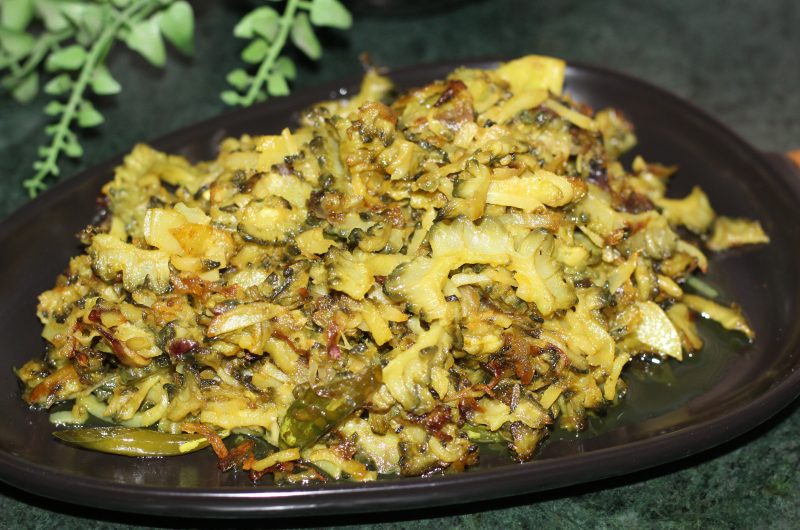
Bitter Gourd Fry Recipe | Korola Bhaji | How to Make Non-Bitter Bitter Gourd Fry
Course: Blog, Vegetables RecipeLearn how to make crispy Bitter Gourd Fry (Korola Bhaji) without bitterness. A healthy Bengali recipe packed with flavor and rich health benefits.
Ingredients
- Bitter gourd (korola) – 2 pieces
Cooking oil – 4 tablespoons
Onion – ½ cup, chopped
Green chili – 3 pieces
Salt – to taste
Turmeric powder – ½ teaspoon
Potato – 1, medium-sized
Directions
- At first, wash the bitter gourd. Here, I took 2 pieces of bitter gourd. First, cut it in the middle. Remove all seeds, then slice it neatly.
Next, take one large potato. Peel it fully and finely slice it. Slice one onion. and green chili.
Take a pan. Pour with cooking oil, here, I use Olive oil, 4 tbsp. If you want to use another cooking oil, you can do it.
Add chopped onion and green chilies, and a Slice of Bitter gourd. Fry it in a medium flame.
After 2 minutes, properly fried, add salt here. During cooking, I won’t use the lid. Because liding helps to change the color of bitter gourd.
When the vegetables turn soft, add here, chopped potato, continue stirring it until it’s cooked. Add turmeric powder. Mix it well.
After 15 minutes, the cooking is ready to serve…
Recipe Video
Notes
- Notes and Cooking Tips
Remove the extra bitterness naturally: Before cooking, you can lightly rub the sliced bitter gourd with a pinch of salt and keep it aside for a few minutes. This draws out excess bitterness. Rinse before frying for a balanced flavor.
Keep the green color: To avoid the bitter gourd turning too dark, cook it on a medium flame and do not overcrowd the pan. This helps retain its fresh green look while still crisping it up.
Oil selection matters: Using mustard oil brings out the authentic Bengali taste of korola bhaji. However, you can also use sunflower or olive oil for a milder flavor.
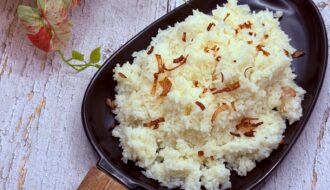
Pair it well: Korola bhaji tastes best when served with steamed rice and dal. It also pairs well with chapati or paratha for a simple, wholesome meal.
Korola Bhaji, or Bitter Gourd Fry, proves that a vegetable known for its strong bitter taste can be transformed into a delightful, crispy, and flavorful dish. With the right cooking techniques, you can keep its freshness, reduce bitterness, and enjoy all the amazing health benefits it offers. Whether you are cooking for everyday meals or exploring authentic Bengali recipes, this dish deserves a place on your table.