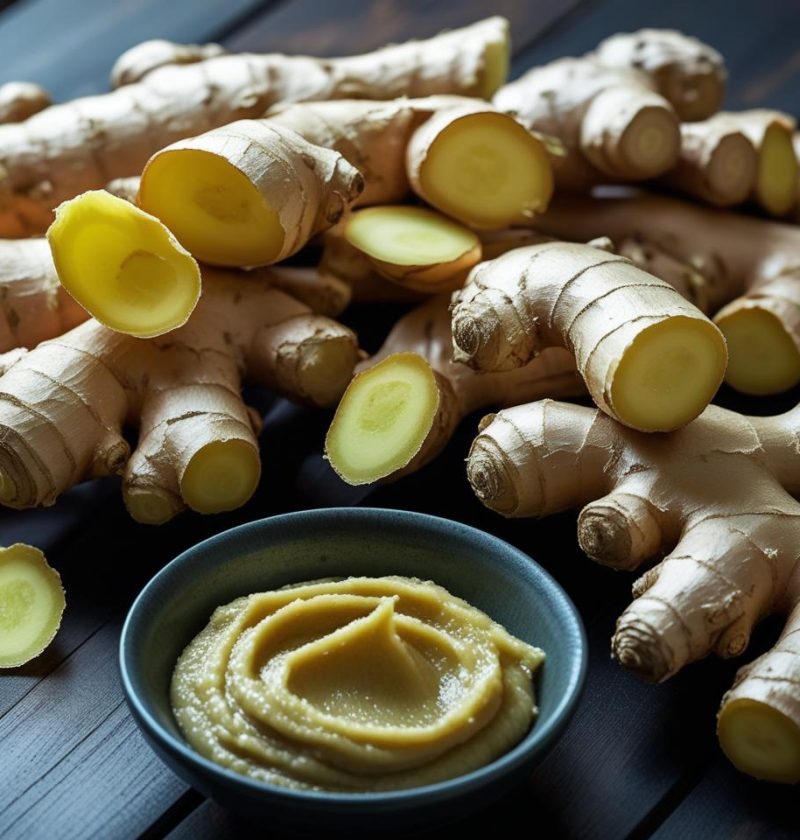
Use fresh ginger: Young ginger has thin skin and a milder flavor; old ginger is spicier and more fibrous.
Peel with a spoon: This helps remove skin without wasting flesh.
Oil prevents discoloration: Adding oil keeps the paste fresh and prevents it from turning dark.
Salt extends shelf life: Just a pinch makes it last longer.
Freeze in portions: Ice cube trays make it easy to use just the right amount.
Make ginger-garlic paste: Blend ginger and garlic in equal parts to create the most widely used base in Indian and Asian cooking.
Ginger Paste vs. Fresh Ginger vs. Ginger-Garlic Paste
| Type | How It’s Made | Flavor | Best Used For |
|---|---|---|---|
| Ginger Paste | Peeled, chopped ginger blended with oil/salt | Spicy, warm, smooth | Curries, teas, soups, stir-fries |
| Fresh Ginger | Grated, sliced, or chopped ginger | Strong, sharp, aromatic | Fresh teas, stir-fries, quick sautés |
| Ginger-Garlic Paste | Equal parts ginger & garlic blended | Balanced, savory, aromatic | Indian curries, Asian recipes, marinades |
👉 Quick tip:
Use ginger-garlic paste for robust curries and marinades.
Use ginger paste for convenience and smooth flavor.
Use fresh ginger for stronger taste and texture.
How to Use Ginger Paste
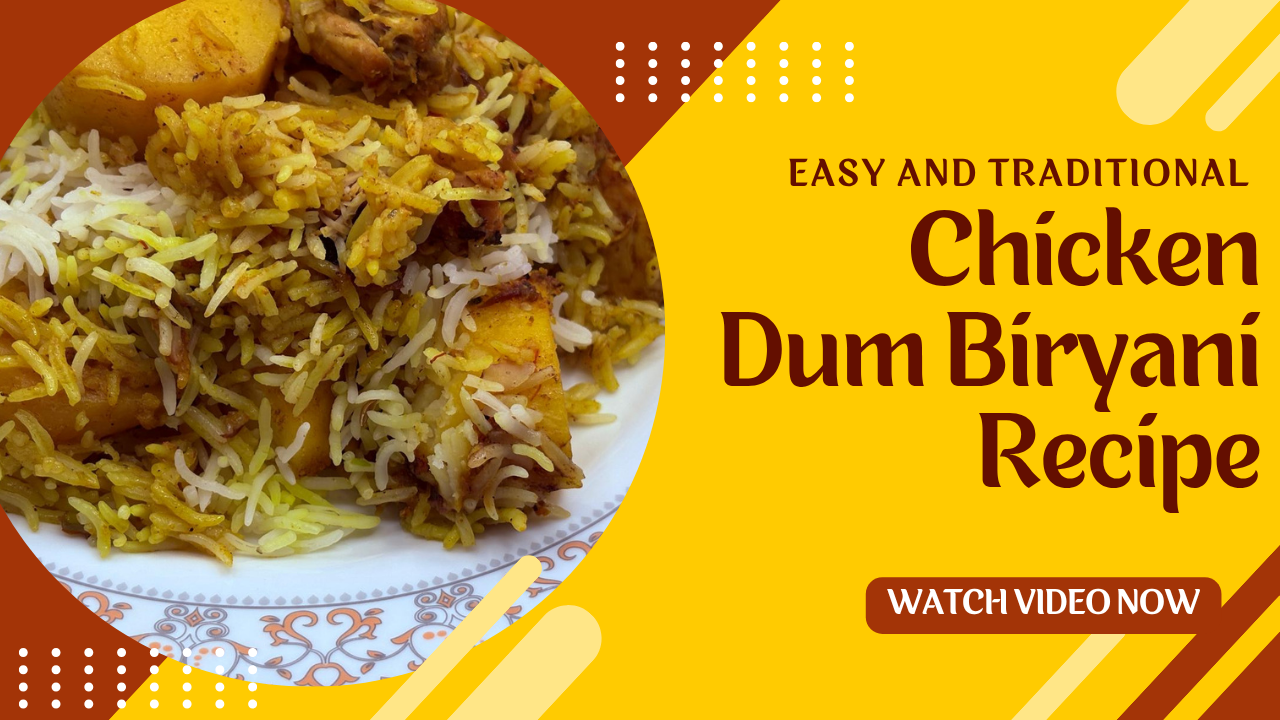
- Curries & Gravies: Sauté ginger paste in oil/ghee for depth.
- Marinades: Mix with yogurt, lemon, and spices for chicken, lamb, or veggies.
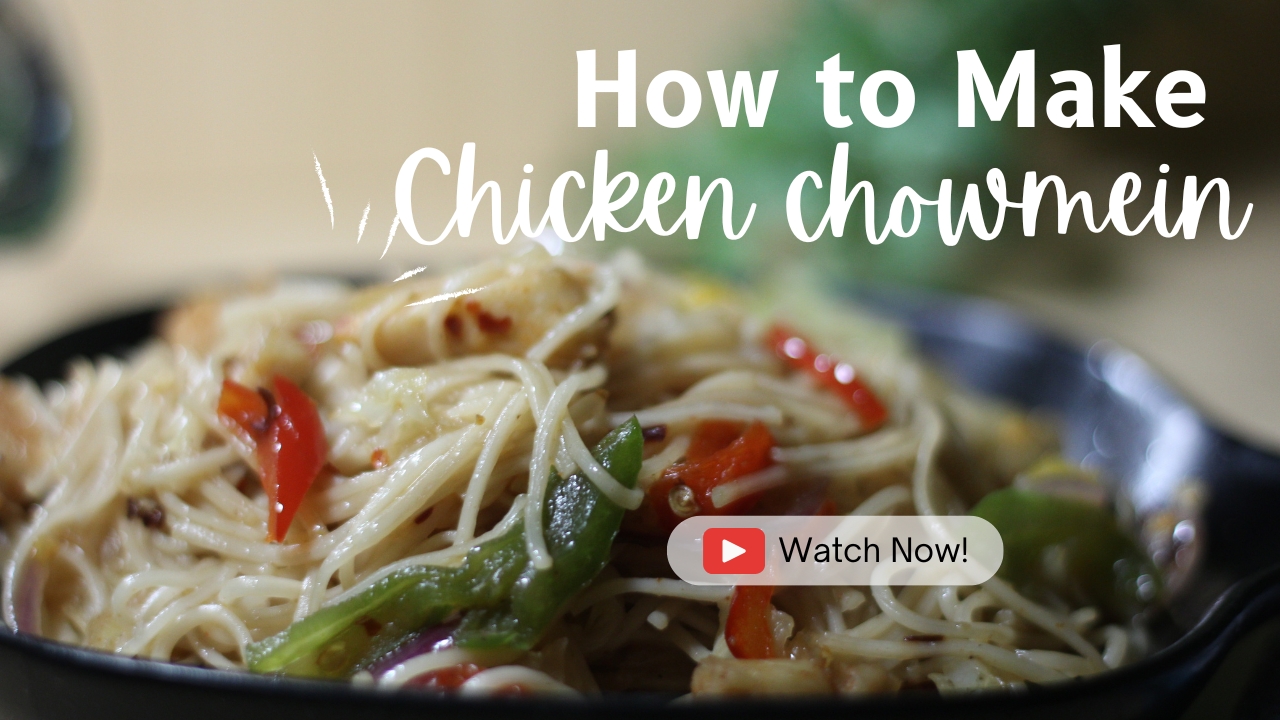
- Stir-Fries & Noodles: Add a spoonful for a zesty kick.
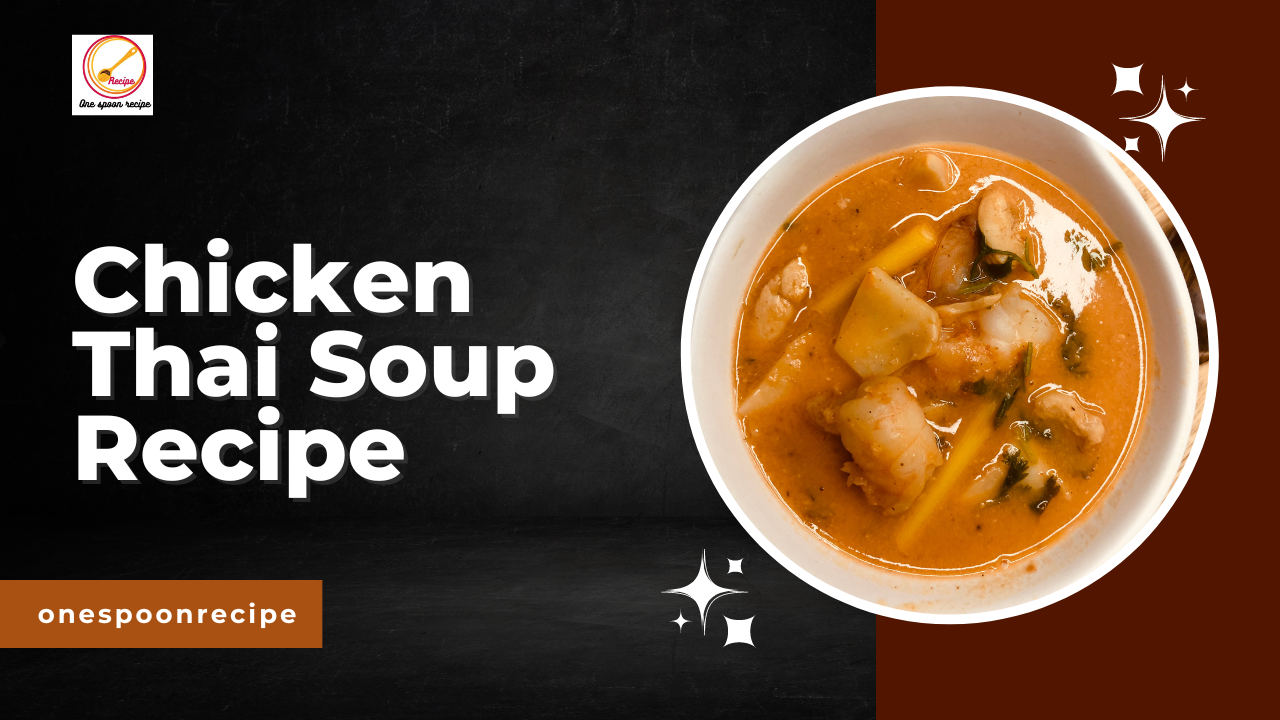
- Soups & Stews: Stir in for a warming, spicy flavor.
- Drinks: Add to hot tea, smoothies, or detox water.